Understanding Car Insurance
Car insurance is a crucial financial product that helps protect vehicle owners from financial losses in the event of accidents, theft, or other damages. Understanding the principles behind car insurance is essential for making informed decisions about coverage options. It not only safeguards your investment but also provides peace of mind while driving.
The basic principles of car insurance revolve around risk management and financial protection. Insurers assess the risk associated with insuring a vehicle and determine premiums based on factors like the driver’s history, the type of vehicle, and location. By paying a premium, policyholders receive coverage that mitigates the financial burden caused by unexpected events.
Types of Car Insurance Coverage
Car insurance comprises various coverage types, each designed to address specific risks and liabilities. Understanding these options allows policyholders to choose the right coverage for their needs.
Most commonly, car insurance includes the following coverage types:
- Liability Coverage: This is the mandatory insurance that covers damages to other people and property in an accident where the policyholder is at fault. It includes bodily injury liability and property damage liability.
- Collision Coverage: This type pays for damage to your vehicle resulting from a collision with another vehicle or object, regardless of who is at fault.
- Comprehensive Coverage: This coverage protects against non-collision-related incidents, such as theft, vandalism, natural disasters, and hitting an animal.
- Personal Injury Protection (PIP): PIP covers medical expenses for you and your passengers in the event of an accident, regardless of fault. It may also cover lost wages and other related expenses.
- Uninsured/Underinsured Motorist Coverage: This protects you if you’re involved in an accident with a driver who lacks adequate insurance to cover the damages.
Liability coverage is particularly vital as it ensures that drivers can compensate for injuries or damages caused to others in an accident. Without this coverage, an individual could face substantial out-of-pocket expenses, leading to financial instability.
“Liability coverage protects you from the financial fallout of accidents you cause, covering both bodily injuries and property damages to others.”
Ultimately, understanding these coverage types and their significance helps drivers make well-informed decisions when purchasing car insurance, ensuring they have adequate protection tailored to their specific circumstances.
Factors Influencing Car Insurance Premiums
Various factors contribute to the calculation of car insurance premiums, each playing a significant role in determining how much a driver will pay for coverage. Understanding these elements is crucial for consumers looking to manage their insurance costs effectively. Insurance companies analyze a range of data to assess risk and set premiums accordingly, making awareness of these factors essential for informed decision-making.
Driving History Impact on Insurance Premiums
A driver’s history is one of the most critical determinants of insurance premiums. Insurers evaluate driving records to assess risk levels based on past behaviors. Key elements of driving history include accidents, traffic violations, and claims history. Generally, a cleaner driving record results in lower premiums, while a history of accidents or violations can lead to higher costs. For example, a driver with multiple speeding tickets may see their premiums increase significantly.
Research indicates that drivers with a clean record pay up to 30% less in premiums compared to those with a history of accidents.
Moreover, insurers may consider the length of time a driver has maintained a clean record. For instance, a policyholder with a spotless driving history over the last five years may qualify for significant discounts, illustrating how a responsible driving pattern can lead to long-term savings on insurance.
Effects of Vehicle Type on Insurance Costs
The type of vehicle also plays a crucial role in determining insurance costs. Insurers assess various characteristics of the vehicle, such as its make, model, age, and safety features. Cars that are more expensive to repair or replace typically attract higher premiums due to the increased risk from theft or damage. Additionally, vehicles with higher safety ratings may qualify for discounts, as they are less likely to be involved in accidents.
The following aspects of vehicle type significantly influence insurance premiums:
- Make and Model: Luxury and high-performance vehicles generally have higher premiums due to their cost and risk factors.
- Age of Vehicle: Newer cars often come with advanced safety features, potentially lowering premiums.
- Safety Ratings: Vehicles with top safety ratings may result in lower insurance costs.
- Repair Costs: Cars with high repair costs increase premiums, as they pose a higher financial risk to insurers.
- Theft Rates: Vehicles known for high theft rates often attract higher premiums due to increased risk.
In conclusion, understanding the impacts of driving history and vehicle type on insurance premiums can empower consumers to make smarter choices and potentially reduce their overall costs. By maintaining a clean driving record and selecting vehicles wisely, drivers can influence their insurance premiums positively.
Choosing the Right Car Insurance Policy
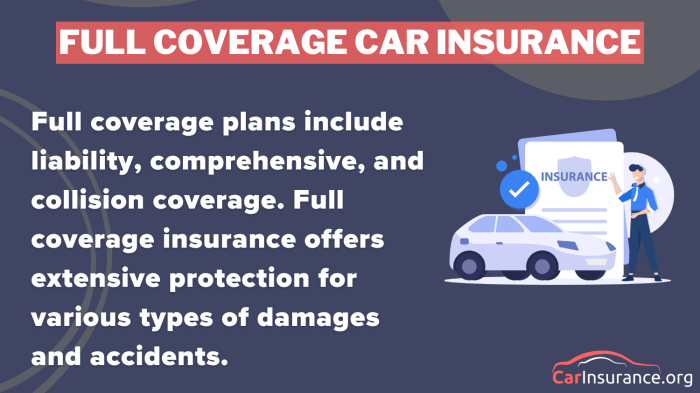
Source: carinsurance.org
Selecting a car insurance policy can feel overwhelming due to the variety of options available. However, taking the time to evaluate quotes carefully and understand your personal coverage needs is essential to ensure you have the protection necessary for your vehicle and financial security. This guide Artikels key considerations for choosing the right policy tailored to your unique circumstances.
Evaluating Car Insurance Quotes
When comparing car insurance quotes, it’s important to focus on more than just the premium prices. Here are some critical factors to consider when evaluating various quotes:
- Coverage Types: Ensure that the quotes include the same coverage types, such as liability, collision, and comprehensive. Compare the limits and deductibles to understand the overall value of each policy.
- Discounts Offered: Look into any discounts that might apply, such as safe driver discounts, multi-policy discounts, or discounts for low mileage. These can significantly affect your premium.
- Customer Service Ratings: Research the insurance providers’ customer service ratings through trusted sources. This can provide insight into their reliability and responsiveness in times of need.
- Claims Process: Investigate how easy it is to file a claim with each provider. A straightforward claims process is crucial when you need support after an accident.
- Policy Features: Consider any additional features offered by the policies, such as roadside assistance or rental car coverage, which can enhance your overall experience.
Checklist for Assessing Coverage Needs, Car insurance
Understanding your personal circumstances is vital when determining the necessary coverage. Use the following checklist to assess your specific needs:
- Vehicle Value: Consider the market value of your car. Newer or more expensive cars may require more comprehensive coverage.
- Driving Habits: Evaluate how often and where you drive. Frequent driving in high-traffic areas may necessitate higher liability limits.
- Financial Situation: Assess your financial status to determine how much risk you can afford. Higher deductibles typically mean lower premiums, but also more out-of-pocket costs in case of an accident.
- Legal Requirements: Be aware of the minimum insurance requirements in your state, which can guide your decision-making process.
- Personal Assets: Consider your assets that could be at risk in the event of a lawsuit. Higher liability coverage may be necessary to protect these assets.
Switching Car Insurance Providers
Switching to a new car insurance provider can be a straightforward process if approached methodically. Follow these steps to ensure a seamless transition:
- Review Current Policy: Before making any changes, thoroughly review your current policy to understand your coverage and any potential penalties for early cancellation.
- Shop for New Quotes: Obtain quotes from multiple providers, using the evaluation tips mentioned earlier to find the best policy that meets your needs.
- Check for Overlaps: Make sure the new policy starts before your old policy ends to avoid any lapse in coverage.
- Notify Your Current Provider: Inform your current insurer of your decision to switch, and inquire about the cancellation process. This may involve submitting a written notice.
- Finalize the New Policy: Complete the paperwork for your new policy and make your first payment to activate the coverage.
Claims Process and Best Practices

Source: fancybroker.ae
Filing a car insurance claim can be a daunting experience, but understanding the process can make it much smoother. Knowing the steps involved and common pitfalls to avoid can help you navigate your claim efficiently, ensuring that you receive the compensation you’re entitled to. This section will detail the claims process, highlight best practices, and emphasize effective communication with adjusters to optimize your experience.
Steps Involved in Filing a Car Insurance Claim
The claims process generally involves several key steps that are essential for ensuring your claim is handled effectively. Familiarizing yourself with these steps can help streamline the experience and prevent unnecessary delays.
1. Report the incident: Notify your insurance company as soon as possible after the incident occurs, providing them with all necessary details.
2. Gather evidence: Collect relevant information, including photographs of the accident scene, vehicle damage, and witness statements, if available.
3. Complete claims forms: Fill out any required claim forms provided by your insurance company accurately and thoroughly.
4. Submit your claim: Submit the completed forms and evidence to your insurance provider, ensuring you keep copies for your records.
5. Follow up: Stay in touch with your insurer to track the status of your claim and respond promptly to any requests for additional information.
Common Mistakes to Avoid During the Claims Process
Understanding common mistakes can significantly enhance your claims experience. Avoiding these pitfalls will help ensure that your claim is processed efficiently and without unnecessary complications.
1. Not documenting the accident: Failing to gather evidence such as photographs or witness statements can hinder your claim.
2. Delaying notification: Waiting too long to inform your insurer can lead to complications or even denial of your claim.
3. Inaccurate information: Providing incorrect details on your claim forms can delay processing or result in a denied claim.
4. Not following up: Neglecting to check in with your insurance company can leave your claim in limbo.
5. Ignoring policy details: Not understanding your coverage limits and exclusions may lead to unexpected out-of-pocket expenses.
Role of Adjusters and Effective Communication
Insurance adjusters play a crucial role in assessing claims and determining payout amounts. Understanding their responsibilities and maintaining effective communication can greatly impact the outcome of your claim.
Insurance adjusters are responsible for investigating claims, evaluating damage, and negotiating settlements. They review the incident’s circumstances and the evidence provided to determine the validity of the claim.
Effective communication with adjusters is vital. Here are some best practices to enhance your interactions:
– Be clear and concise: Present your case logically and ensure that all information is accurate and well-organized.
– Provide documentation promptly: Submit any requested evidence or documentation as quickly as possible to prevent delays.
– Stay professional: Maintain a respectful tone in all communications, even if you feel frustrated.
– Ask for clarification: If you do not understand a decision or request from the adjuster, do not hesitate to ask for further explanation.
– Keep records: Document all interactions, including dates, times, and the names of those you speak with, which can be helpful if disputes arise.
Effective communication and an understanding of the claims process can make all the difference in successfully navigating your car insurance claim.
Frequently Asked Questions
What is car insurance?
Car insurance is a contract between a vehicle owner and an insurance company that provides financial protection against physical damage or bodily injury resulting from traffic collisions, as well as other liabilities that could arise from incidents involving the vehicle.
How can I lower my car insurance premium?
You can lower your car insurance premium by maintaining a clean driving record, increasing your deductible, bundling multiple policies, and taking advantage of discounts for safe driving or vehicle safety features.
What does liability coverage include?
Liability coverage includes protection against claims for bodily injury and property damage that you may cause to others in an accident, covering medical expenses, lost wages, and legal fees arising from the incident.
How often should I review my car insurance policy?
It’s advisable to review your car insurance policy annually or whenever significant life changes occur, such as moving, changing vehicles, or altering your driving habits, to ensure your coverage remains adequate and competitive.
What should I do if I have an accident?
If you have an accident, ensure everyone’s safety first, exchange information with the other driver, document the scene, and contact your insurance company as soon as possible to start the claims process.