Types of Travel Insurance
Source: pbcdn.in
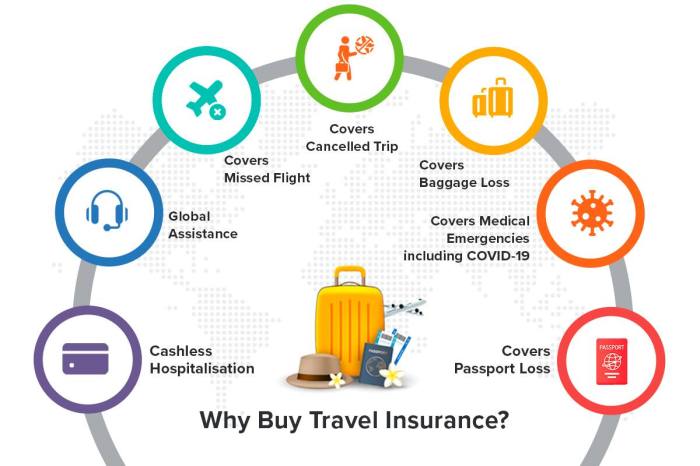
Travel insurance is a crucial component of any travel plan, providing financial protection against unforeseen circumstances. Understanding the various types of travel insurance coverage available can help travelers select the most suitable options for their needs. With a wide array of products designed to address different travel scenarios, navigating through them can be overwhelming. However, being informed about the types of coverage can enhance your travel experience and offer peace of mind.
Travel insurance typically falls into several categories, each catering to different aspects of travel risks. These include basic coverage, comprehensive plans, and specialized options for specific activities or destinations. Comprehensive travel insurance is designed to offer a broader range of protection compared to basic coverage, which may only address limited situations. Below, we will explore the distinctions between these types and highlight specialized options that cater to adventure sports enthusiasts and international travelers.
Comprehensive Travel Insurance versus Basic Coverage
Comprehensive travel insurance plans provide extensive coverage that goes beyond the basics, making them ideal for travelers seeking a higher level of security. In contrast, basic coverage typically includes essential protections but may leave travelers vulnerable in various scenarios.
- Comprehensive Travel Insurance: Offers extensive coverage including trip cancellation, medical emergencies, lost luggage, flight delays, and personal liability. It often includes coverage for pre-existing medical conditions and adventure activities.
- Basic Coverage: Generally covers trip cancellation, travel interruptions, and emergency medical expenses. However, it may lack sufficient coverage for high-risk activities or extensive medical care.
Comprehensive travel insurance is akin to a safety net—offering reassurance that you are prepared for a variety of unexpected events while traveling.
Specialized Travel Insurance Options
For travelers engaging in adventure sports or traveling internationally, specialized travel insurance options are available to address unique risks associated with these activities.
- Adventure Sports Insurance: Designed for those participating in high-risk activities like skiing, scuba diving, or mountain climbing. This insurance typically covers medical expenses, trip cancellations, and evacuations specific to these sports.
- International Travel Insurance: Essential for travelers going abroad, this insurance covers medical emergencies, trip cancellations, and can include coverage for overseas medical care, which may not be covered by domestic plans.
- Student Travel Insurance: Tailored for students studying abroad, offering coverage for trip cancellations, medical emergencies, and personal liability, while often including 24/7 assistance services.
Specialized coverage ensures that travelers involved in adventure activities or international journeys are adequately protected, addressing risks that standard policies might overlook.
Understanding the types of travel insurance available empowers travelers to make informed decisions, ensuring their trips are not only enjoyable but also secure against potential mishaps.
Importance of Travel Insurance
Source: com.au
Travel insurance serves as a safety net for travelers, providing vital protection against a range of unexpected events that can disrupt a trip. Whether you are embarking on a leisurely vacation or a business trip, having insurance can alleviate the financial burden of emergencies. It can cover various risks, ensuring that you can focus on your travels without the looming threat of unforeseen expenses.
The necessity of purchasing travel insurance arises from the unpredictable nature of travel, where numerous factors could impact your journey. Incidents such as trip cancellations, medical emergencies, or lost luggage can occur at any moment, often leading to significant financial losses. By investing in travel insurance, you are proactively mitigating these risks, thereby enhancing your overall travel experience.
Common Travel Risks Mitigated Through Insurance
Understanding the common travel risks is essential for recognizing the value of travel insurance. Here are significant risks that insurance can help mitigate:
- Trip Cancellation or Interruption: This risk includes unexpected events such as illness, a family emergency, or natural disasters that may require you to cancel or cut short your trip.
- Medical Emergencies: Traveling can expose you to health risks, and medical emergencies abroad can lead to exorbitant medical bills, which travel insurance can cover.
- Lost or Delayed Luggage: The inconvenience of lost or delayed luggage can disrupt your travel plans, and insurance can assist in covering the costs of essentials during the wait.
- Travel Delays: Weather conditions or other unforeseen circumstances can delay flights, and insurance may provide compensation for additional expenses incurred during these delays.
- Accidental Death or Dismemberment: In the unfortunate event of severe accidents, travel insurance can provide financial support to your beneficiaries.
Statistics underline the prevalence of travel-related incidents, emphasizing the need for insurance. According to the U.S. Travel Insurance Association, over 30% of travelers experience a disruption during their trips. Additionally, a report from the Global Business Travel Association states that nearly 20% of business travelers encounter medical issues while abroad. The effectiveness of travel insurance in these scenarios is evident, as it not only covers costs but also facilitates access to necessary services, such as emergency medical evacuations.
“Travel insurance offers peace of mind by safeguarding against unexpected events that could derail your plans and financial stability.”
The growing awareness and adoption of travel insurance reflect its importance. Many travelers now consider it an essential part of their trip planning, underlining the wisdom in preparing for the unexpected. In an era where travel has become more accessible, ensuring adequate protection is a crucial step towards a smooth and enjoyable journey.
How to Choose the Right Travel Insurance
Selecting the appropriate travel insurance is a crucial step for any traveler, ensuring peace of mind during their journey. With numerous providers and policies available, making the right choice can be overwhelming. However, a systematic approach can simplify the process, allowing travelers to focus on enjoying their trip.
When evaluating travel insurance options, several factors come into play, including coverage limits, premiums, and specific exclusions. These elements can significantly impact the overall value and effectiveness of a policy. Thus, it is essential to consider the following checklist when selecting a travel insurance policy.
Checklist for Selecting Travel Insurance
This checklist serves as a practical guide to help travelers assess different insurance policies effectively. Each point addresses key features and considerations that can influence the decision-making process.
- Determine Coverage Needs: Assess the type of activities planned during the trip (e.g., adventure sports, family travel, international travel) to identify necessary coverage levels.
- Compare Premiums: Obtain quotes from multiple providers and compare premiums against the coverage offered to ensure affordability without compromising essential protections.
- Review Coverage Limits: Look for policies with adequate coverage limits for medical expenses, trip cancellations, and personal belongings to avoid financial stress in case of emergencies.
- Understand Exclusions: Carefully read through what is excluded from coverage, such as pre-existing conditions or certain high-risk activities, which could leave travelers vulnerable.
- Check for Assistance Services: Ensure the insurance provider offers 24/7 emergency assistance services that can guide and help travelers when they need it most.
- Read Customer Reviews: Investigate customer experiences and feedback on claim processes and overall satisfaction to gauge reliability and service quality.
Comparing Coverage Limits, Premiums, and Exclusions, Travel insurance
To make an informed choice, travelers should conduct a thorough comparison of the essential components of different travel insurance policies. This involves analyzing not only the costs associated with premiums but also the benefits provided under each plan.
| Provider | Premium | Medical Coverage Limit | Trip Cancellation Coverage | Key Exclusions |
|---|---|---|---|---|
| Provider A | $150 | $500,000 | $1,000 | Pre-existing conditions |
| Provider B | $120 | $300,000 | $2,000 | Adventure sports |
| Provider C | $180 | $1,000,000 | $2,500 | Natural disasters |
When exploring these comparisons, it becomes evident how varying coverage levels and premiums can impact the overall value of the insurance. A lower premium may seem appealing, but insufficient coverage limits can lead to financial burdens in emergencies.
Importance of Reading the Fine Print
Reading the fine print is an integral part of choosing the right travel insurance policy. Many travelers overlook the details contained within policy documents, which can lead to misunderstandings and unwelcome surprises during their trip.
“Understanding policy terms ensures travelers are not caught off-guard by unexpected exclusions or limitations.”
Key elements to focus on in the policy include:
- Policy Duration: Ensure the policy covers the entire duration of the trip, including any unexpected delays or extensions.
- Claim Process: Familiarize yourself with the steps needed to file a claim, including documentation requirements and timeframes.
- Limitations on Coverage: Identify any limitations on specific activities or scenarios, such as theft or loss of valuables, to ensure comprehensive protection.
Thoroughly understanding these elements can provide invaluable insight into the policy’s effectiveness and align it with the traveler’s needs. By utilizing this knowledge, travelers can confidently choose the right travel insurance that offers them the protection they deserve.
Claims Process for Travel Insurance
The claims process for travel insurance can often appear daunting, but understanding the steps involved can simplify the experience significantly. Whether it’s a medical emergency, trip cancellation, or lost luggage, knowing how to file a claim can ensure that you receive the compensation you deserve in a timely manner.
To initiate a travel insurance claim, there are specific steps that need to be followed. Each insurer may have slight variations in their processes, but the fundamental procedure generally remains the same.
Steps Involved in Filing a Travel Insurance Claim
The claims process typically involves several key stages that travelers should be aware of to facilitate a smooth experience:
1. Notification: As soon as an incident occurs that may require a claim, the traveler should notify their insurance provider. This often needs to be done within a specific timeframe, which can vary by insurer.
2. Documentation Collection: Gather all necessary documentation to support your claim. This may include receipts, medical reports, police reports, or any other relevant paperwork that verifies the reason for the claim.
3. Claim Form Submission: Complete the claim form provided by your insurance provider. This form acts as a formal request for compensation and must be filled out accurately to avoid delays.
4. Review Process: After submission, the insurance company will review the claim. They may reach out for additional information or clarification on certain points.
5. Claim Decision: Once the review process is complete, the insurer will issue a decision regarding the claim. They will inform you whether the claim is approved or denied, along with details on the compensation amount if approved.
Necessary Documentation for Claim Approval
Providing thorough and accurate documentation is critical in ensuring that your claim gets approved. Commonly required documents include:
- Travel Itinerary: Proof of the booked trip, including flight details and accommodation reservations.
- Receipts: Original receipts for any expenses incurred as a result of the incident, such as hotel stays or medical bills.
- Medical Reports: For medical-related claims, detailed reports from healthcare providers outlining the treatment received.
- Police Reports: In cases of theft or loss, a copy of the police report may be required as evidence.
The importance of each document cannot be overstated, as they serve as evidence supporting the circumstances of your claim.
Common Reasons for Claim Denial
Understanding potential pitfalls in the claims process can help travelers avoid common mistakes that lead to claim denials.
Several factors can contribute to a denial, including:
- Insufficient Documentation: Failing to provide adequate proof can result in a denied claim. Ensure all necessary documents are submitted promptly.
- Non-covered Events: Claims for incidents that fall outside the policy coverage, such as pre-existing medical conditions or activities excluded from coverage.
- Late Notification: Not notifying the insurer of the incident within the specified time frame can lead to denial.
- Inaccurate Information: Providing incorrect or misleading information on the claim form can jeopardize approval.
To prevent such issues, travelers should read their policy thoroughly, keep a detailed record of all incidents, and ensure timely and accurate communication with their insurance provider.
“Being proactive and organized can significantly improve the chances of a successful travel insurance claim.”
FAQ Guide
What is travel insurance?
Travel insurance is a policy that provides coverage for various risks associated with traveling, including trip cancellations, medical emergencies, lost luggage, and more.
Do I really need travel insurance?
Yes, travel insurance is recommended as it protects you from potential financial loss due to unexpected events during your trip.
How do I choose the right travel insurance policy?
Consider factors such as coverage limits, premiums, exclusions, and specific needs like adventure activities or international travel when selecting a policy.
Can I buy travel insurance after booking my trip?
Yes, you can purchase travel insurance after booking, but it’s advisable to do so as soon as possible, especially for coverage related to pre-existing conditions.
How do I file a claim with my travel insurance?
To file a claim, contact your insurance provider, provide necessary documentation, and follow their specific claims process.